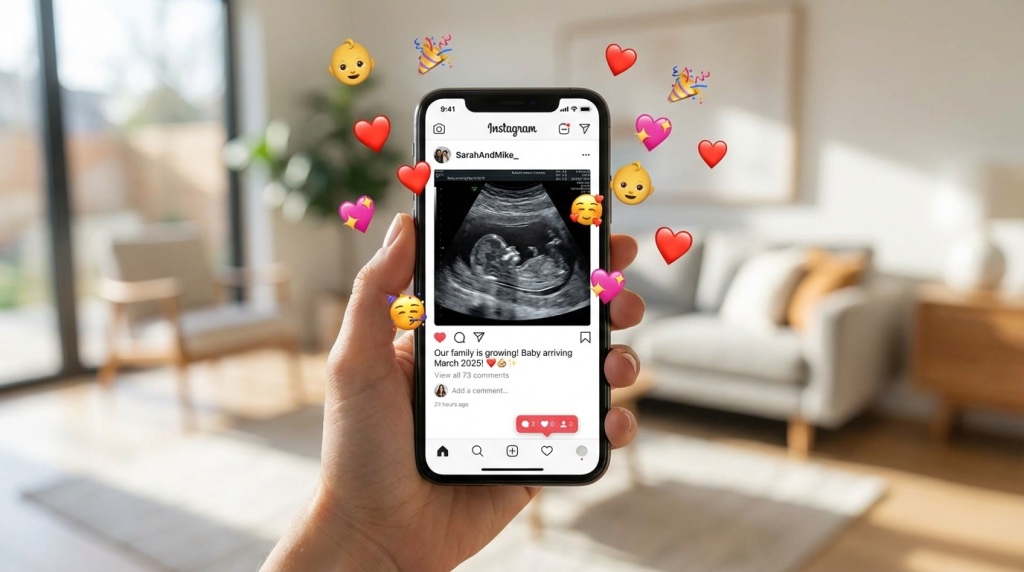
I’ve spent years looking at ultrasound images—both real ones from medical facilities and novelty fake ones created for pranks, movies, and gag gifts. And let me tell you, the differences aren’t always as obvious as you might think.
Whether you’re trying to spot a fake ultrasound someone showed you, or you want to understand what makes a novelty ultrasound look convincing (or not), this guide breaks down everything I know about telling real from fake.
The Quick Answer
Real ultrasounds have specific characteristics that are difficult to replicate perfectly: thermal paper with a slight sheen, precise medical formatting, accurate fetal measurements that correspond to gestational age, and metadata from the ultrasound machine. Fake ultrasounds often miss subtle details like proper scaling, realistic grain patterns, or authentic-looking hospital information.
That said, high-quality novelty ultrasounds can be remarkably convincing at a glance—which is exactly what makes them effective for pranks and entertainment purposes.
Paper and Print Quality Differences
The paper is often the first giveaway, and it’s something most people overlook entirely.
Real Ultrasound Paper
Authentic ultrasound images are typically printed on thermal paper—the same technology used in receipt printers. This paper has some distinctive characteristics:
- Slight sheen or gloss that catches light at certain angles
- Smooth, almost waxy texture when you run your finger across it
- Specific dimensions that vary by machine but are usually consistent within a facility
- Thermal sensitivity—if you scratch it with a fingernail, it may leave a dark mark
- Gradual fading over time, especially when exposed to light or heat
Fake Ultrasound Paper
Most novelty ultrasounds are printed on regular photo paper or cardstock. The differences include:
- Matte or standard photo finish rather than thermal sheen
- Different thickness—often thicker than authentic thermal prints
- No thermal reaction when scratched
- More durable and less prone to fading (actually a benefit for keepsakes!)
| Feature | Real Ultrasound | Fake Ultrasound |
|---|---|---|
| Paper Type | Thermal paper | Photo paper or cardstock |
| Texture | Smooth, slightly waxy | Matte or glossy photo finish |
| Scratch Test | Leaves dark mark | No reaction |
| Durability | Fades over time | Long-lasting |
Image Characteristics to Examine
The actual ultrasound image itself contains numerous details that differ between real and fake versions.
Grain and Texture Patterns
Real ultrasound images have a characteristic “speckled” appearance called speckle noise. This grainy texture is actually an artifact of how ultrasound technology works—sound waves bouncing off tissues create this distinctive pattern.
In my experience, this is one of the hardest things to replicate convincingly. Cheap fake ultrasounds often have:
- Too-smooth backgrounds
- Artificial-looking grain that’s too uniform
- Missing or inconsistent speckle patterns
High-quality fakes will have realistic grain patterns that mimic authentic ultrasound imaging. If you’re curious about what fake ultrasounds are used for, understanding these technical details helps explain why quality varies so much.
Contrast and Gray Scaling
Real ultrasounds display a specific range of gray tones. The contrast between different tissues—amniotic fluid (dark), fetal body (lighter), bones (brightest)—follows predictable patterns based on how dense each structure is.
Things to look for:
- Amniotic fluid should appear very dark (nearly black)
- Soft tissues show as medium gray tones
- Bones and dense structures appear brightest (white)
- Acoustic shadows behind bones create characteristic dark streaks
Anatomical Accuracy
This is where expertise really matters. A trained eye can spot anatomical inconsistencies that the average person would never notice:
- Fetal proportions that don’t match the stated gestational age
- Impossible positioning or anatomy
- Missing or misplaced structures
- Crown-rump length or biparietal diameter measurements that don’t correlate
For a deeper dive into what each part of an ultrasound image means, check out my guide on ultrasound image anatomy explained.
Technical Details and Metadata
The information displayed around the ultrasound image can reveal a lot about its authenticity.
Header Information
Real ultrasounds typically include:
- Hospital or clinic name and sometimes logo
- Patient name (or initials for privacy)
- Date and time of the scan
- Gestational age (GA) in weeks and days
- Estimated due date (EDD)
- Technician or physician initials
Measurement Data
Authentic ultrasounds often display measurements like:
- CRL (Crown-Rump Length) for early pregnancy
- BPD (Biparietal Diameter) for head measurements
- FL (Femur Length) for leg bone
- HC (Head Circumference)
- AC (Abdominal Circumference)
These measurements should be internally consistent and match the stated gestational age. A 12-week ultrasound showing a CRL of 80mm would raise red flags (that’s more like 14 weeks).
Machine Information
Many real ultrasounds show technical details like:
- Ultrasound machine brand and model
- Probe/transducer frequency used
- Depth settings
- Gain settings
Formatting and Layout Clues
The overall layout and formatting can also reveal whether an ultrasound is authentic.
Standard Layouts
Different ultrasound machine manufacturers have signature layouts. GE, Philips, Samsung, and other brands each have distinctive formatting styles. Someone familiar with these can often identify the brand—or notice when the formatting doesn’t match any known system.
Font Consistency
Real ultrasound machines use specific fonts for their displays. Inconsistent fonts or modern-looking typography that doesn’t match older ultrasound interfaces can be a giveaway.
Image Borders and Framing
The black borders around ultrasound images, the positioning of text elements, and the overall composition follow machine-specific templates. Deviations from these standards may indicate editing or fabrication.
Common Giveaways of Fake Ultrasounds
After examining hundreds of both real and fake ultrasounds, here are the most common issues I’ve seen with low-quality fakes:
- Too-perfect images — Real ultrasounds are often grainy and sometimes have the fetus partially obscured. Overly clear, perfectly positioned babies look suspicious.
- Wrong date formats — US facilities use MM/DD/YYYY while European ones use DD/MM/YYYY. Mixing these up is a red flag.
- Generic hospital names — “General Hospital” or “Women’s Health Clinic” without specific location details.
- Impossible measurements — Measurements that don’t match the stated gestational age.
- Missing elements — Real ultrasounds have lots of technical data; sparse information looks incomplete.
- Watermarks or stock image artifacts — Sometimes visible from the source image.
- Resolution issues — Either too crisp (clearly digital) or too blurry (poor quality reproduction).
- Color inconsistencies — Standard 2D ultrasounds are grayscale; color elements in unexpected places look off.
Why This Matters (And When It Doesn’t)
Let me be real with you: context matters a lot here.
When Authenticity Matters
Obviously, in medical contexts, only real ultrasounds should be used. Insurance claims, medical records, and healthcare decisions must be based on authentic imaging. Using fake ultrasounds in these contexts is fraud and potentially dangerous.
When It’s Just for Fun
But there are plenty of legitimate reasons to use novelty ultrasounds:
- Pranks on friends and family — A classic gag gift
- Film and TV productions — Props that don’t need to be medically accurate
- Photography props — Pregnancy announcement shoots
- Educational purposes — Teaching about ultrasound technology
- Gag gifts — For baby showers or as jokes
In these cases, whether someone can tell it’s fake is more about the quality of the prank than any serious concern. If you’re in the market for a convincing novelty ultrasound, visit our main fake ultrasound page to see what’s available.
Frequently Asked Questions
Can doctors tell if an ultrasound is fake?
Yes, medical professionals can usually identify fake ultrasounds quite easily. They’re trained to read these images and are familiar with what authentic ultrasounds look like from various machines. The technical details, measurements, and image characteristics that lay people might miss are obvious to trained eyes.
Are there apps that can detect fake ultrasounds?
There’s no reliable app specifically designed to detect fake ultrasounds. While image analysis tools can sometimes identify digital manipulation, the best way to verify an ultrasound’s authenticity is through medical professionals or by contacting the facility listed on the image.
How do I know if the ultrasound measurements are accurate?
You can cross-reference measurements with standard fetal growth charts. For example, at 12 weeks, crown-rump length should be approximately 55-65mm. Significant deviations from these standards, or measurements that don’t match the stated gestational age, suggest the image may be fake or incorrectly dated.
What’s the easiest way to spot a fake ultrasound?
The paper is often the quickest tell. Real ultrasounds are printed on thermal paper with a distinctive feel and slight sheen. Beyond that, looking for generic hospital information, too-perfect images, or inconsistent technical details can help identify fakes.
Can you get in trouble for having a fake ultrasound?
Simply possessing a novelty ultrasound isn’t illegal. However, using one to commit fraud (insurance claims, false paternity claims, etc.) is absolutely illegal and can result in serious criminal charges. Always use novelty ultrasounds responsibly and ethically.
Why would someone use a fake ultrasound?
Most people use them for innocent purposes: pranks, gag gifts, film/TV props, photography sessions, or social media content. Unfortunately, some people do misuse them for deception, which is why it’s important to understand the differences and use novelty products responsibly.
Do fake ultrasounds show the baby’s gender?
High-quality novelty ultrasounds can be customized to show either gender (or keep it ambiguous). The accuracy of the gender representation depends on the quality of the fake and whether it’s depicting a gestational age where gender would actually be visible (typically after 18-20 weeks for standard 2D ultrasound).
Wrapping Up
Telling real ultrasounds from fakes comes down to attention to detail—paper quality, image characteristics, technical accuracy, and formatting all play a role. While high-quality novelty ultrasounds can fool the casual observer, trained medical professionals and careful examination will reveal the truth.
Whether you’re trying to spot a fake or create a convincing one for a prank, understanding these differences is key. Just remember to always use novelty ultrasounds ethically and never for fraudulent purposes.
Related Reading: