I find the history of novelty pregnancy products genuinely fascinating. What started as simple practical jokes has evolved into a surprisingly sophisticated industry that reflects changing technology, cultural attitudes, and our eternal love of a good prank. Let me take you on a journey through how we got from whoopee cushions to customizable digital ultrasounds.
The Early Days: Pregnancy Pranks Before Products
Long before anyone could buy a fake pregnancy test at a novelty shop, people were pranking each other about pregnancy the old-fashioned way: through pure theatrical performance.
In the Victorian era, when discussing pregnancy in polite company was essentially taboo, pregnancy pranks existed but were confined to private jokes among close friends and family. The humor often came from the social awkwardness of the topic itself—making someone believe news that would completely upend social dynamics.
The earliest “products” weren’t products at all. They were props improvised from everyday items. A strategically placed pillow, a dramatically timed fainting spell, or a forged letter from a “doctor” were the tools of the trade.
What’s interesting is that pregnancy pranks have existed across cultures for centuries. They tap into something universal—the life-changing nature of the news and the dramatic reactions it provokes. That’s probably why this category of gag gifts has remained popular when others have faded away.
20th Century: Gag Gifts Go Mainstream
The modern novelty industry really took off in the early 1900s with companies like Johnson Smith & Co., which started mail-ordering joke products in 1914. Their catalogs became legendary, offering everything from fake vomit to X-ray specs.
Pregnancy-related gag items were relatively rare in these early catalogs, mainly because of lingering social taboos. But as American culture loosened up through the mid-century, you started seeing more jokes about pregnancy and parenthood in mainstream humor.
The Rise of the Gag Gift Shop
By the 1950s and 60s, dedicated joke shops were popping up in malls and tourist areas across America. These stores created a space where “naughty” humor could be sold openly, and pregnancy-related gags found a home.
Early products were pretty crude by today’s standards:
- Fake “baby on board” signs with joke messages
- Gag greeting cards about unexpected pregnancies
- Novelty buttons and pins with pregnancy jokes
- Prank kits for fake morning sickness scenarios
The humor was often more about shock value than realism. Nobody was trying to actually fool anyone—the products were obviously jokes.
The Home Pregnancy Test Revolution
Everything changed in 1977 when the first home pregnancy test hit the market. Suddenly, pregnancy confirmation moved from the doctor’s office to the bathroom, and a new category of novelty products became possible.
The Birth of Fake Pregnancy Tests
It didn’t take long for novelty manufacturers to realize they could create convincing fake pregnancy tests. By the 1980s, fake tests that would show a positive result regardless of use started appearing in joke shops.
These early fakes were pretty obvious to anyone who looked closely—the packaging was off, the results window looked different, and the overall quality was low. But they were good enough to get a reaction in the moment, which was all that mattered.
The 1990s brought improvements. As home pregnancy tests became more standardized in their design, fake versions became more convincing. Some novelty companies actually studied real test designs to make their fakes more believable.
The Prank Test Evolution
What I find interesting is how fake pregnancy tests evolved to serve different purposes:
The Obvious Gag: Bright packaging clearly labeled “joke” or “prank”—designed for quick laughs where everyone knows it’s fake.
The Convincing Fake: Products designed to actually fool someone temporarily, usually revealed as pranks within minutes.
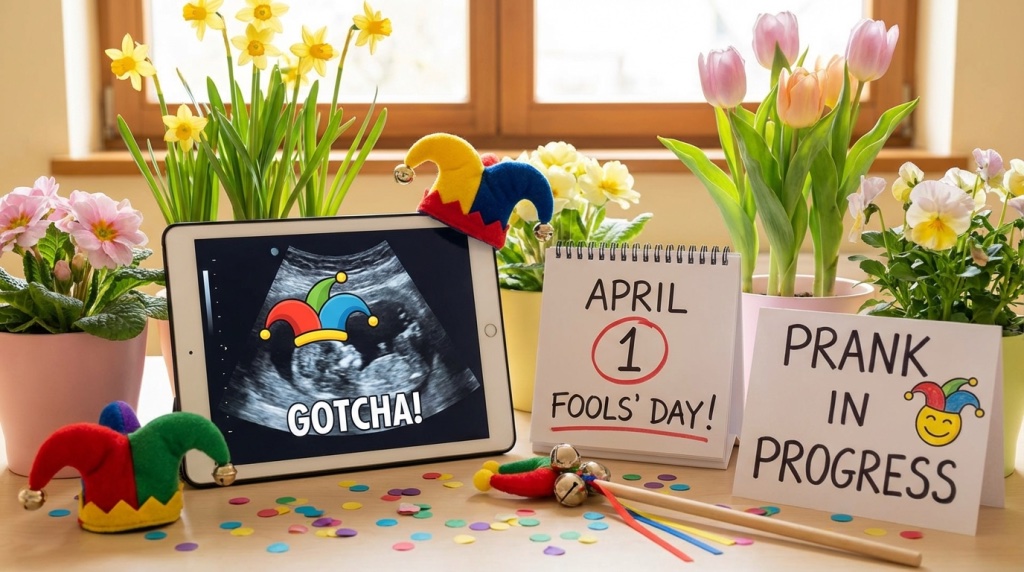
The Photo Prop: Tests designed specifically to photograph well for fake announcements and social media content.
Each serves a different need, and the market differentiated accordingly.
Enter the Ultrasound Era
Ultrasound technology for pregnancy visualization became widespread in the 1980s and 90s. By the 2000s, getting an ultrasound image during pregnancy was standard practice, and those black-and-white images became cultural symbols of pregnancy itself.
Early Fake Ultrasounds
The first fake ultrasounds were pretty basic—generic images printed on paper, often not personalized and clearly not legitimate if you looked closely. They served their purpose for quick pranks but wouldn’t fool anyone for more than a few seconds.
The real innovation came with digital editing. As Photoshop and similar tools became widely available, people started creating more convincing custom ultrasounds. At first, this was a DIY thing—someone with photo editing skills would create a fake for a friend’s prank.
The Professionalization of Fake Ultrasounds
By the late 2000s and early 2010s, dedicated services emerged that would create custom fake ultrasounds. These businesses understood what made ultrasounds look authentic:
- Correct formatting and layout
- Appropriate image quality (not too clear, not too blurry)
- Realistic date formats and measurement annotations
- Proper paper and printing for physical copies
This was when fake ultrasounds went from “obvious joke” to “genuinely convincing prop.” The market was responding to demand for higher-quality products for more sophisticated uses—film productions, photography, elaborate pranks.
The Digital Age Transformation
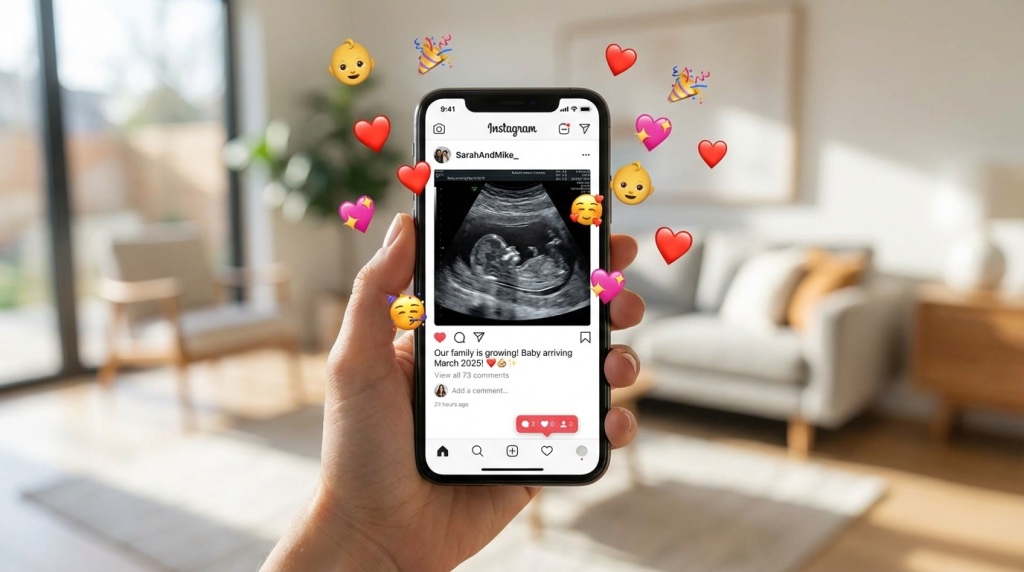
The smartphone era completely transformed novelty pregnancy products. Suddenly, everyone had a high-quality camera in their pocket and platforms to share content instantly.
Social Media’s Influence
Platforms like YouTube, Instagram, and TikTok created massive demand for prank content. Pregnancy announcement pranks became a genre unto themselves, with videos regularly racking up millions of views.
This visibility did two things:
- It dramatically increased demand for convincing fake pregnancy products
- It raised the quality bar—audiences could tell when props looked fake, so creators needed better materials
The E-Commerce Revolution
Online shopping made novelty pregnancy products accessible to everyone. You no longer had to find a specialty joke shop or know someone who could create custom props. A few clicks and a realistic fake ultrasound would arrive at your door.
This accessibility also drove innovation. With a larger market, businesses could afford to develop better products. Competition pushed quality up and prices down.
Customization Goes Mainstream
The biggest shift in recent years has been toward personalization. Modern fake ultrasound services offer:
- Custom names and dates
- Gender specification
- Twins or multiples options
- Different gestational ages
- Various hospital name formats
This level of customization was unthinkable even fifteen years ago. Technology made it possible, and market demand made it profitable.
Where We Are Today
The novelty pregnancy product industry in 2024 is more sophisticated than ever. Here’s what the landscape looks like:
Product Categories
Fake Pregnancy Tests: Range from obvious gag items to highly convincing replicas. Many now come with realistic packaging and even work with actual urine (they’re just designed to always show positive). Learn more on our fake pregnancy test guide.
Fake Ultrasounds: The premium category. Services offer digital files, printed versions, and even framed options. Quality has reached the point where distinguishing from real ultrasounds requires expertise. See examples on our fake ultrasound page.
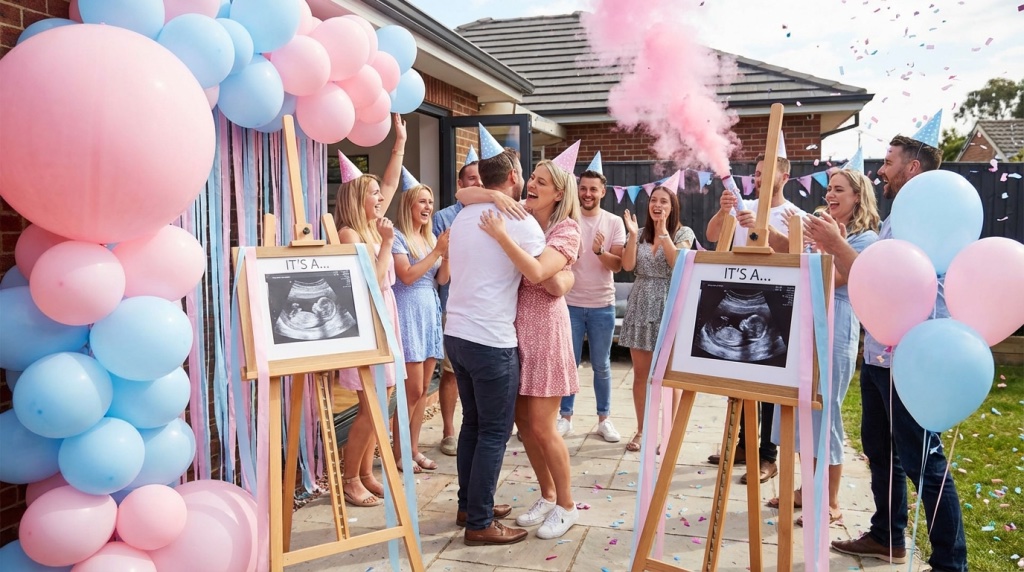
Announcement Props: A newer category that includes fake pregnancy announcement items, customized reveal props, and coordinated prank kits.
Digital Content: Some services now offer video ultrasounds and animated content for next-level pranks and productions.
The Customer Base
Who’s buying these products today? Based on what I’ve seen:
- Content creators and social media personalities
- Film and theater productions
- Professional photographers
- People planning pranks for friends and family
- Comedy writers and performers
- Event planners for themed parties
The market has matured significantly. It’s no longer just about cheap gags—there’s genuine demand for quality products that serve legitimate creative and entertainment purposes.
Cultural Context: Why This Category Endures
I’ve thought a lot about why pregnancy-related pranks and novelty items have remained popular when other gag categories have faded. A few theories:
Universal Stakes
Pregnancy news is universally understood as life-changing. Unlike pranks about less consequential things, a fake pregnancy announcement guarantees a strong reaction. That emotional investment makes for better comedy.
Tradition and Ritual
Pregnancy announcements have become cultural rituals, especially in the social media age. Where there’s ritual, there’s opportunity for subversion and humor.
Technological Sweet Spot
Ultrasounds and pregnancy tests hit a sweet spot—they’re technical enough to seem authoritative but simple enough to replicate convincingly. More complex medical documents would be harder to fake believably.
Evergreen Life Stage
Unlike some pranks tied to specific generations or trends, pregnancy will always be relevant. Every generation creates new potential prank victims and new audiences for pregnancy-related humor.
Frequently Asked Questions
When did fake pregnancy tests first appear?
Fake pregnancy tests started appearing in novelty shops in the early 1980s, shortly after home pregnancy tests became widely available in 1977. The early versions were pretty crude compared to today’s products.
How have fake ultrasounds changed over time?
Dramatically. Early fake ultrasounds were generic printed images with no customization. Today’s versions feature custom names, dates, hospitals, gestational ages, and gender. Digital technology made personalization possible and affordable.
Are vintage novelty pregnancy items collectible?
Some are! Collectors of vintage novelty items do seek out old gag gifts, including pregnancy-related ones. Original Spencer Gifts items from the 70s and 80s can be worth something to the right collector.
Why did this product category grow so much in the 2010s?
Social media and viral prank videos created massive demand. When pregnancy prank videos started getting millions of views on YouTube, everyone wanted convincing props. The market responded with better products.
What’s the most popular use for fake ultrasounds today?
Based on what sellers report, social media content creation and pranks are the top uses. Film and photography productions come next, followed by personal pranks and creative projects.
How do I tell a quality fake ultrasound from a cheap one?
Quality fakes have realistic formatting, appropriate image graininess, accurate measurement annotations, and proper paper stock for printed versions. Cheap ones often have obvious tells like wrong fonts or unrealistic clarity.
Will fake pregnancy products continue to evolve?
Almost certainly. AI image generation is already changing what’s possible, and video/animation capabilities are expanding. The technology will keep advancing—what matters is that people use it responsibly.