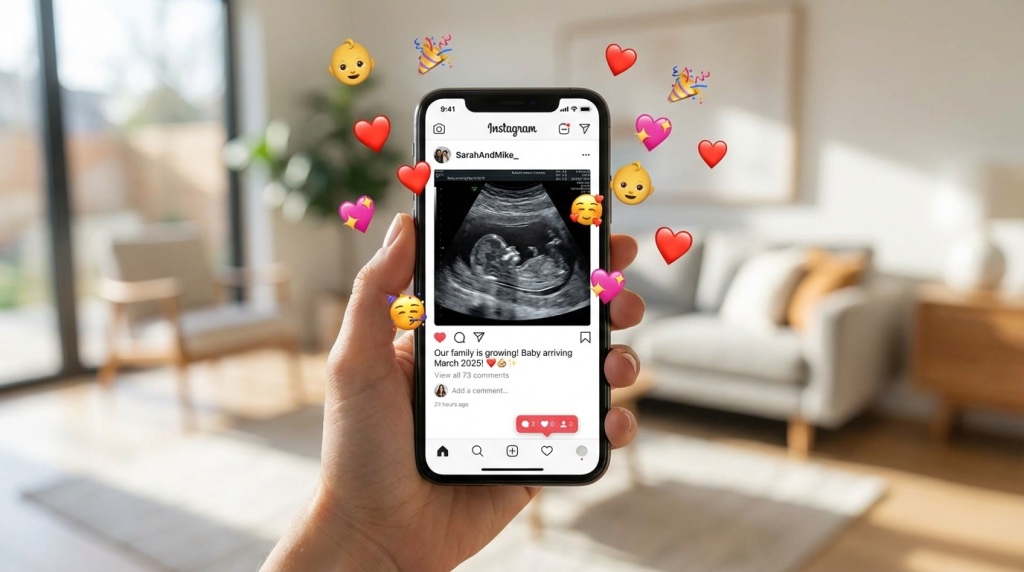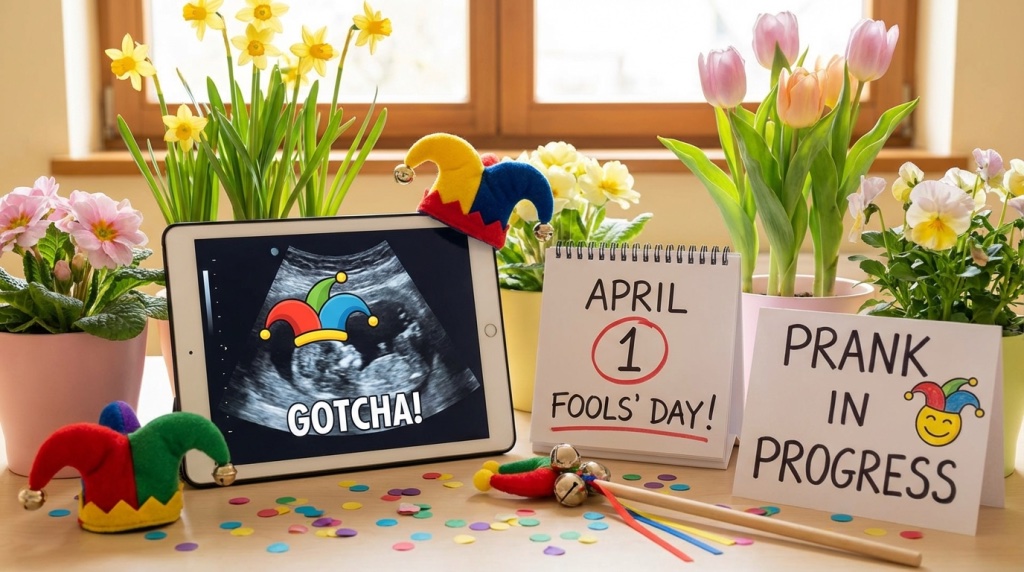
It’s one of the most common questions I get: “Is it actually legal to buy a fake ultrasound?” The short answer is yes—but like most things in life, context matters a lot. Let me break this down in a way that actually makes sense.
The Short Answer: Yes, With Important Caveats
Fake ultrasounds, novelty pregnancy tests, and similar gag items are completely legal to purchase and own in the United States. They’re sold openly online, and there’s no law against having one in your possession.
The legality question really comes down to how you use it, not whether you can buy it. Think of it like a costume police badge—totally legal to own, but flash it to get out of a traffic ticket and you’ve got problems.
Perfectly Legal Uses for Fake Ultrasounds
I’ve seen fake ultrasounds used in dozens of creative, harmless ways over the years. Here are the most common legitimate uses:
Entertainment and Pranks
The classic use case. Surprising your partner, pranking a friend on April Fools’ Day, or setting up an elaborate joke for a sibling’s birthday. As long as everyone’s in on the joke eventually and no one’s making decisions based on false information, you’re in the clear.
Film and Theater Productions
Independent filmmakers, theater groups, and student productions use prop ultrasounds all the time. They’re way more affordable than trying to get medical facilities to provide authentic-looking props, and they photograph better on camera than you’d expect.
Photography and Art Projects
Photographers use fake ultrasounds for creative shoots, announcement mockups, and artistic projects. I’ve seen some genuinely beautiful work that incorporates these props in unexpected ways.
Educational Purposes
Schools, training programs, and even some medical education contexts use replica ultrasounds to demonstrate concepts without needing actual patient materials.
Memorial and Keepsake Items
This one’s more personal. Some people who’ve experienced pregnancy loss create memorial items using customized ultrasounds. It’s a sensitive use case, but it’s entirely their choice and completely legal.
Social Media Content
Content creators, comedy accounts, and influencers use fake ultrasounds for skits, reaction videos, and entertainment content. The audience understands it’s staged—that’s the whole point.
What Crosses the Line: When Fake Ultrasounds Become Illegal
Here’s where things get serious. While owning a fake ultrasound is legal, using it for certain purposes absolutely is not.
Fraud
Using a fake ultrasound to obtain money, services, or benefits under false pretenses is fraud. Period. This includes:
- Claiming pregnancy to receive financial support
- Presenting fake documentation to qualify for programs or assistance
- Using it to manipulate insurance claims
- Defrauding charities or organizations
Fraud charges can be misdemeanors or felonies depending on the amount involved and your state’s laws. We’re talking potential jail time, fines, and a criminal record.
Coercion or Manipulation
Using a fake ultrasound to trap someone in a relationship, force a marriage, or manipulate major life decisions isn’t just morally wrong—it can potentially be prosecuted under various laws depending on the circumstances and jurisdiction.
Court Proceedings
Presenting a fake ultrasound as evidence in any legal proceeding—custody battles, divorce cases, anything—is a crime. Courts don’t take kindly to fabricated evidence, and you could face perjury charges on top of whatever case you were already dealing with.
State-by-State Considerations
Laws vary by state, and while I can give you general guidance, I’m not a lawyer. Here’s what to keep in mind:
Most fraud statutes are written broadly enough to cover any document used to deceive. Even if your state doesn’t have a specific law about fake medical documents, general fraud, forgery, and deception laws almost certainly apply.
Some states have specific statutes around reproductive coercion that could apply in certain scenarios. These are relatively new legal frameworks, but they’re gaining traction.
If you’re ever uncertain about whether a specific use is legal in your jurisdiction, consult with an actual attorney. A quick consultation is way cheaper than legal trouble.
Guidelines for Responsible Use
I believe in treating people like adults. If you’re buying a fake ultrasound, you probably already have a use in mind. Here’s my framework for keeping things fun and legal:
The 24-Hour Rule
If it’s a prank, reveal it within 24 hours. Ideally much sooner. The joke is in the moment of surprise, not in prolonged deception.
The Decision Test
Ask yourself: “Could this fake ultrasound cause someone to make a real decision they wouldn’t otherwise make?” If yes, don’t do it.
The Audience Test
Would you be comfortable if everyone involved knew it was fake from the start? If someone finding out would cause real harm to your relationship or reputation, reconsider.
The Recording Test
If you’re filming a prank, would you be comfortable with that video being shown in court? If not, maybe don’t do it.
The Bottom Line
Fake ultrasounds occupy the same legal space as other novelty and gag items. They’re tools—completely neutral on their own. A hammer can build a house or break a window; what matters is how you use it.
For the vast majority of uses—pranks, productions, photography, personal projects—you have nothing to worry about. Keep it fun, keep it temporary, and make sure everyone can laugh about it afterward.
For more context on what fake ultrasounds actually are and how they’re made, check out my guide on what is a fake ultrasound. And if you’re ready to explore your options, head over to our main fake ultrasound page.
Frequently Asked Questions
Can I get in trouble for buying a fake ultrasound online?
No. Purchasing novelty items is completely legal. What matters is how you use them, not whether you own them. Thousands of people buy these for legitimate purposes every day.
Is it illegal to prank my partner with a fake pregnancy announcement?
Not illegal, but definitely something to think carefully about. A brief prank that ends with laughter is fine. Prolonged deception that causes emotional distress or affects real decisions crosses ethical lines and could potentially have legal implications depending on the outcome.
Can I use a fake ultrasound in my student film?
Absolutely. This is one of the most common and clearly legitimate uses. Productions use prop documents all the time—that’s literally what they’re made for.
What if someone uses a fake ultrasound to scam me?
If someone has used a fake ultrasound to obtain money or benefits from you under false pretenses, you may have grounds for a fraud complaint. Document everything and consult with local law enforcement or an attorney.
Are there any states where fake ultrasounds are specifically banned?
As of my knowledge, no state has laws specifically banning novelty ultrasounds. However, laws change, and general fraud statutes apply everywhere. The item itself isn’t illegal; fraudulent use of it is.
Can businesses legally sell fake ultrasounds?
Yes. Novelty item businesses operate legally throughout the United States. Reputable sellers clearly mark their products as novelty items and often include disclaimers about appropriate use.
What’s the difference between a “novelty” ultrasound and a “fake” one?
Legally, nothing. “Novelty” is the industry term that emphasizes the entertainment purpose. Both refer to ultrasound images created for non-medical purposes. The terminology doesn’t change the legal status.